HavenAura — Free Hotel & Hospitality Website Template
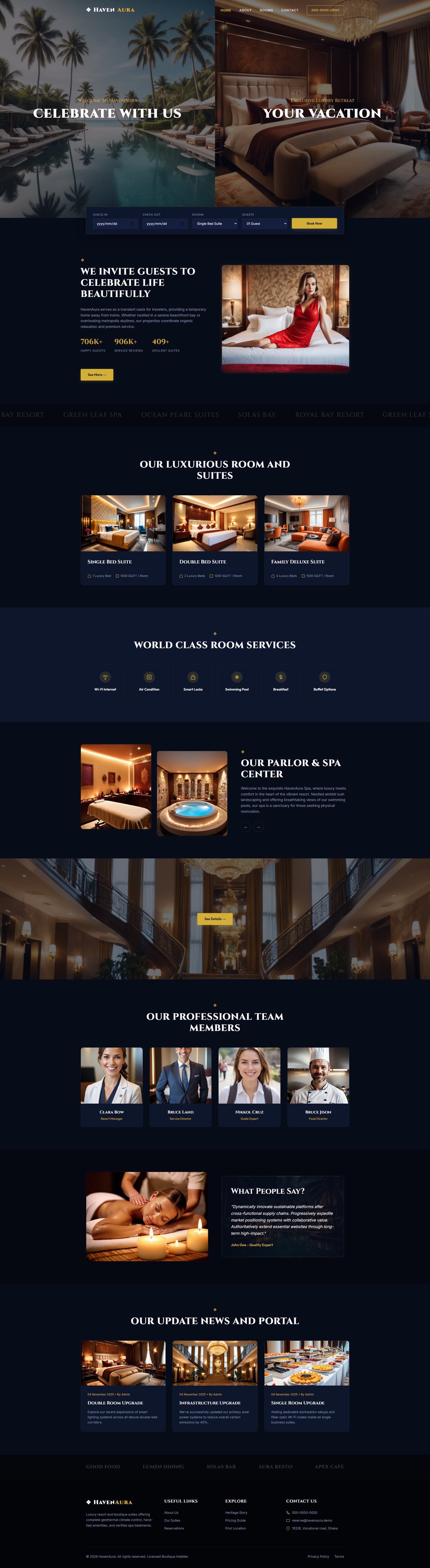
HavenAura is a production-ready HTML5 + Tailwind CSS hotel template containing 4 pages (index, about, rooms, contact). It uses hand-written CSS with no heavy animation libraries, keeping the 6.3 MB package lean. The responsive layout collapses into a mobile hamburger menu at small breakpoints and includes a contact/newsletter form for lead capture.
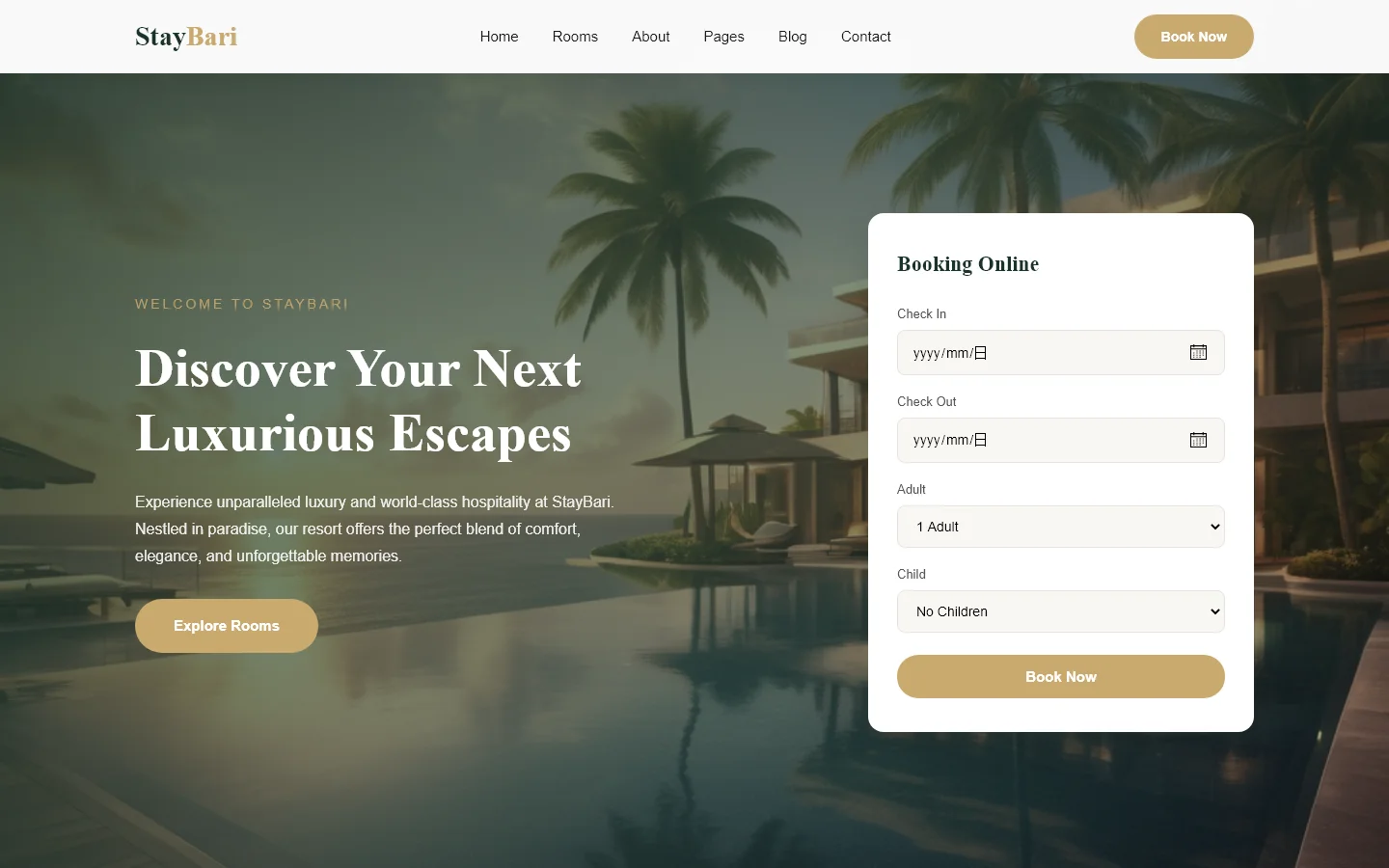
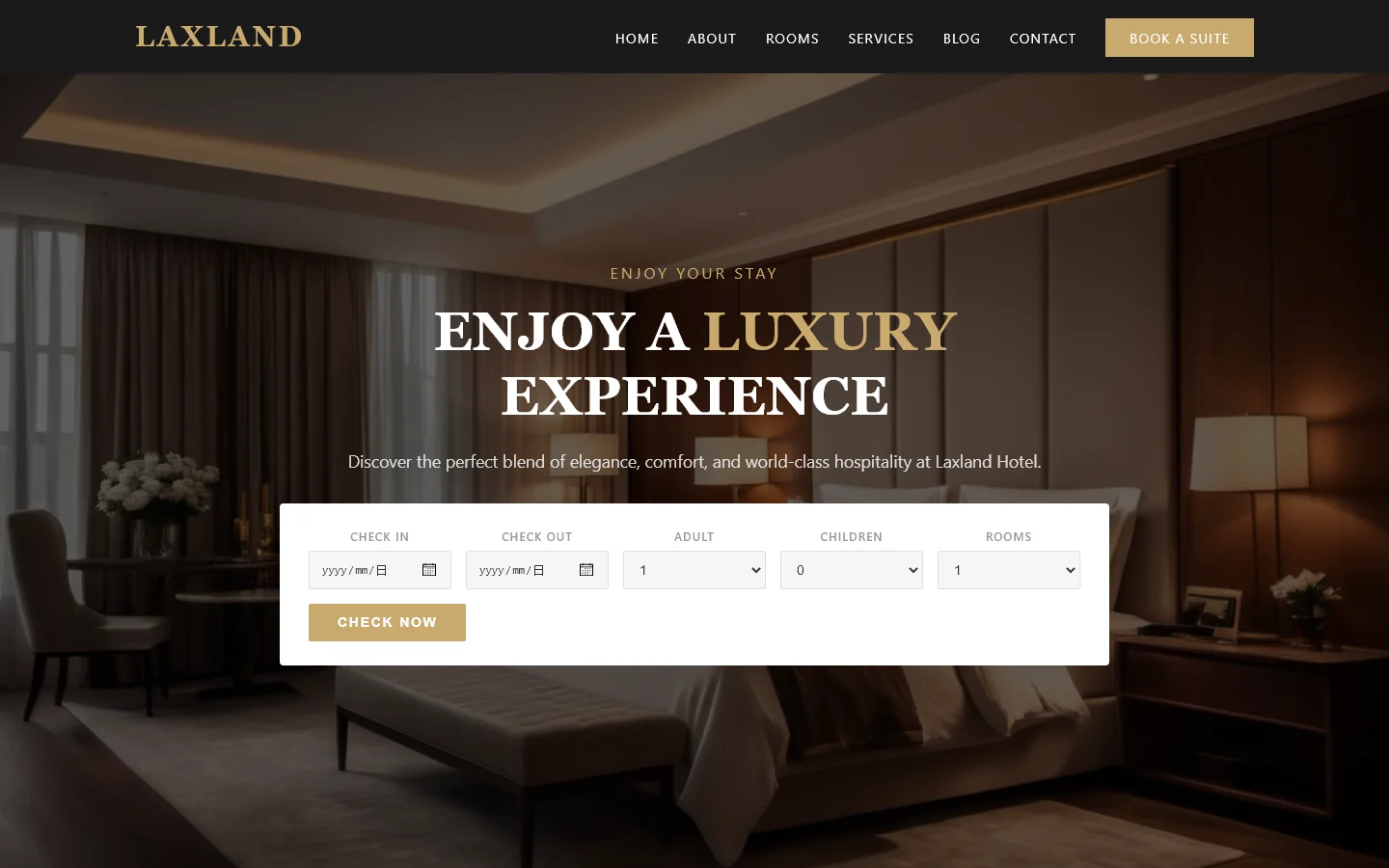
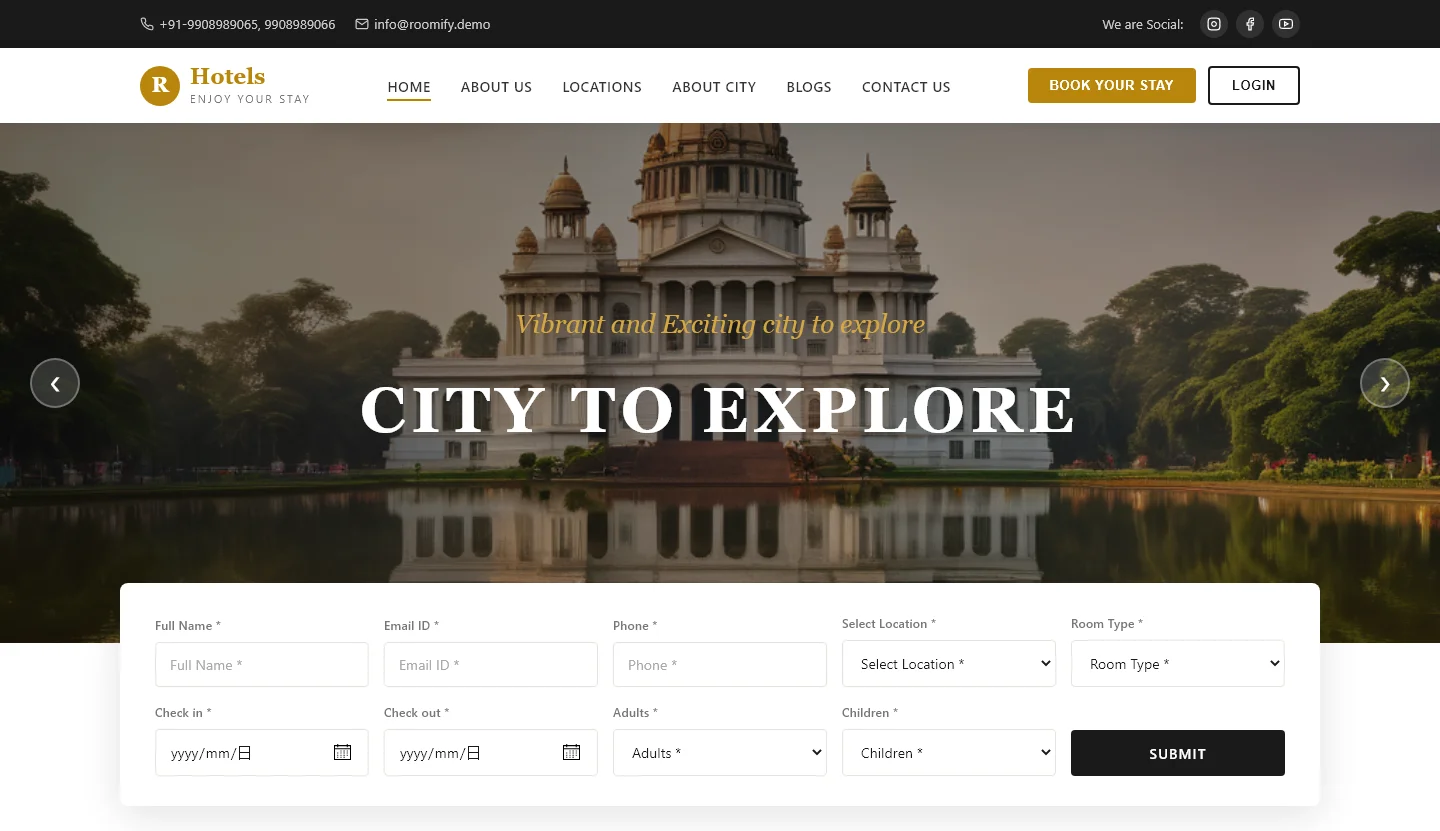
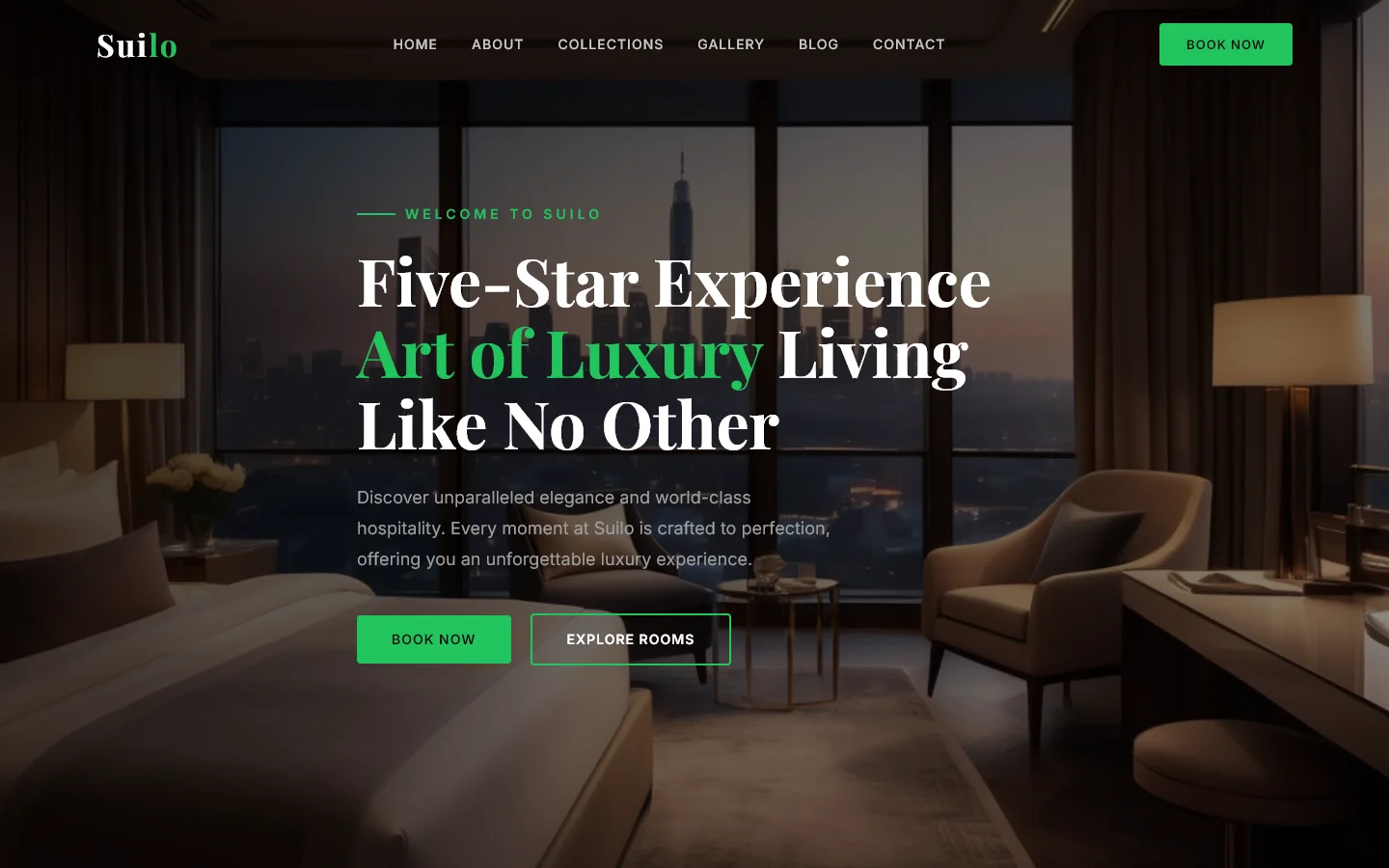
Section coverage spans hero campaigns, room/suite showcases, spa and dining amenities, team profiles, and news updates. The design avoids dependency on external JS frameworks while remaining straightforward to extend with custom booking widgets or CMS integrations.
Key Features
- Luxury Spa Treatments
- World-Class Dining
- Ocean View Suites
- Vacation Packages
| Tech Stack | HTML5, Tailwind CSS, JavaScript |
| Release Date | 2026-07-05 |
| License | Free (Must keep footer backlink) |
Suitable For & Use Cases
Front-end engineers at boutique hotels, resort web agencies, or travel SaaS platforms needing a performant base layer. Specifically useful for developers integrating with Shopify or Stripe APIs. Not suited for WordPress-only teams or non-coding marketing managers expecting drag-and-drop editing.
Page Sections Included
Includes Celebrate With Us, Your Vacation, and a hero area inviting guests to celebrate life beautifully. It also features Our Luxurious Room And Suites, World Class Room Services, Our Parlor & Spa Center, Our Professional Team Members, and Our Update News And Portal. These sections are distributed across index.html, rooms.html, about.html, and contact.html, with a newsletter and contact form included in the footer area.
Why We Recommend
It provides a clean, component-driven structure built with Tailwind utilities and hand-written CSS, making it easy to customize colors, typography, and layouts via tailwind.config.js. The template avoids unnecessary dependencies, which simplifies builds and improves compatibility with modern front-end toolchains like Vite or Tailwind CLI.
Technical Specifications
Requires Node.js, Tailwind CSS v3.2, and a build setup such as Tailwind CLI or Vite. Customize design tokens via tailwind.config.js. Includes 4 HTML templates, hand-written CSS, and ~20 local images.
Ideal Use Case
Ideal for boutique hotels, vacation rentals, or resort websites that need a professional showcase of rooms and amenities. Suitable for developers integrating a third-party booking engine or building a static hospitality landing page with local image optimization.,