BistroAura — Free Restaurant & Food Website Template
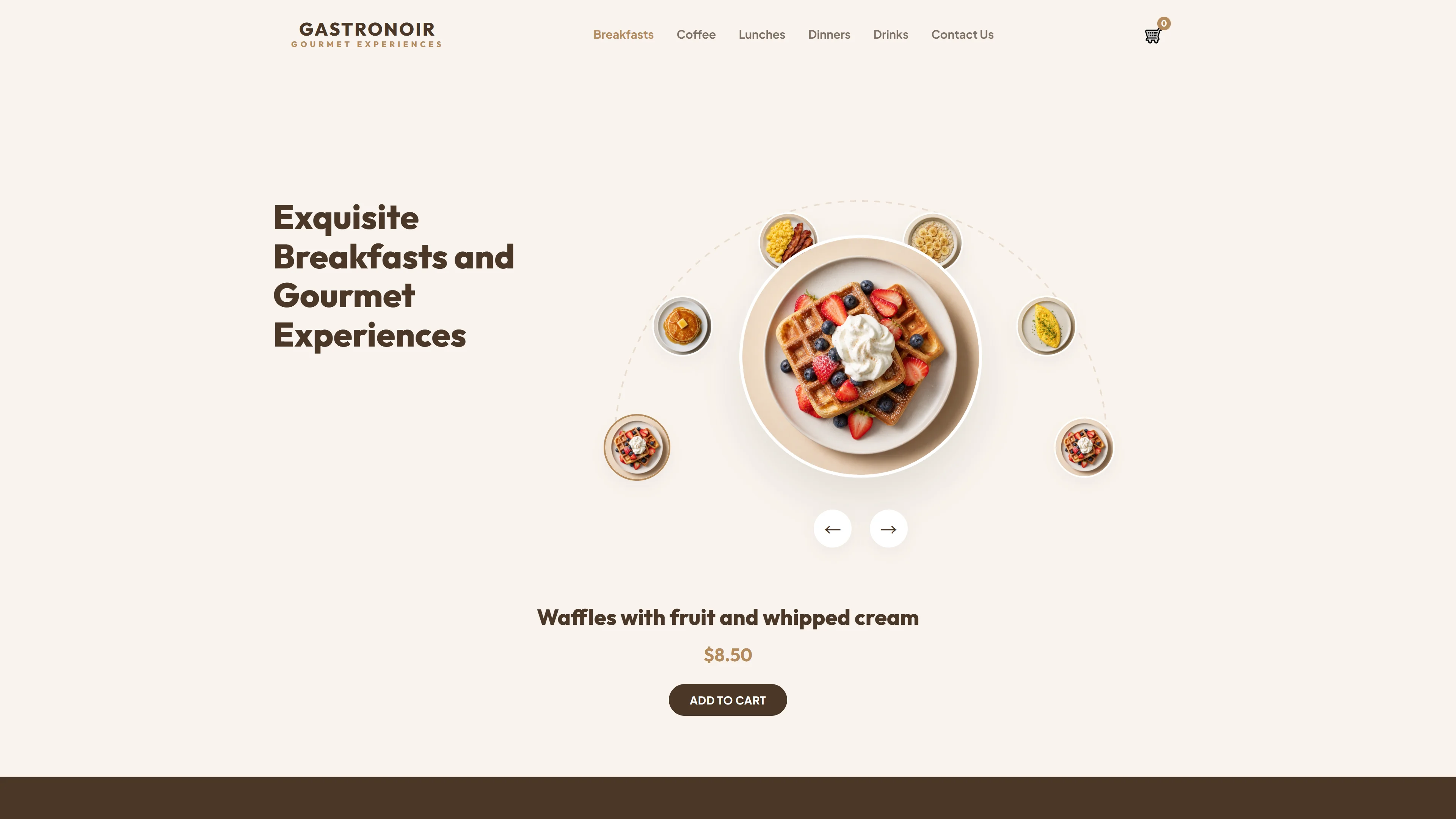
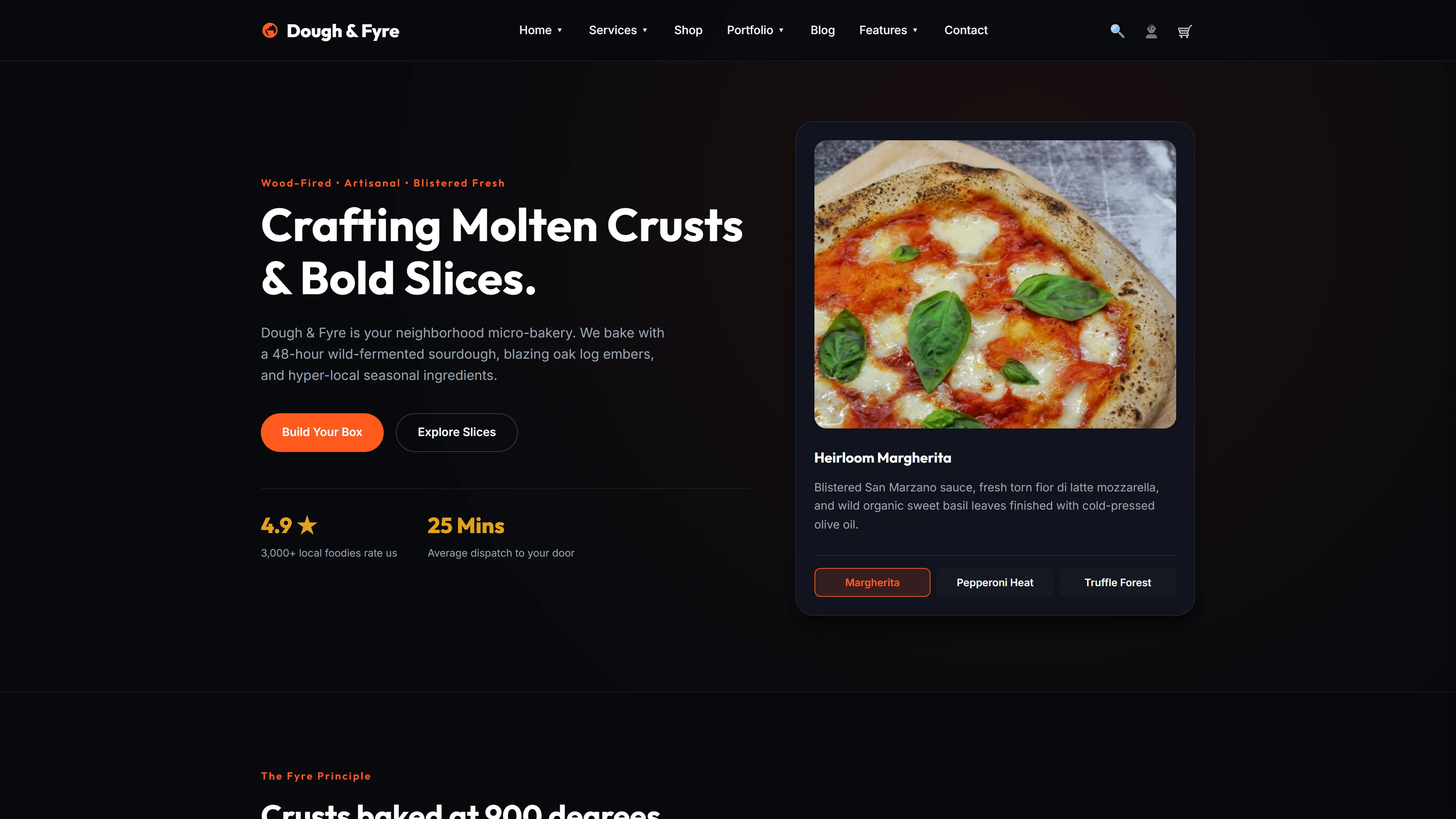
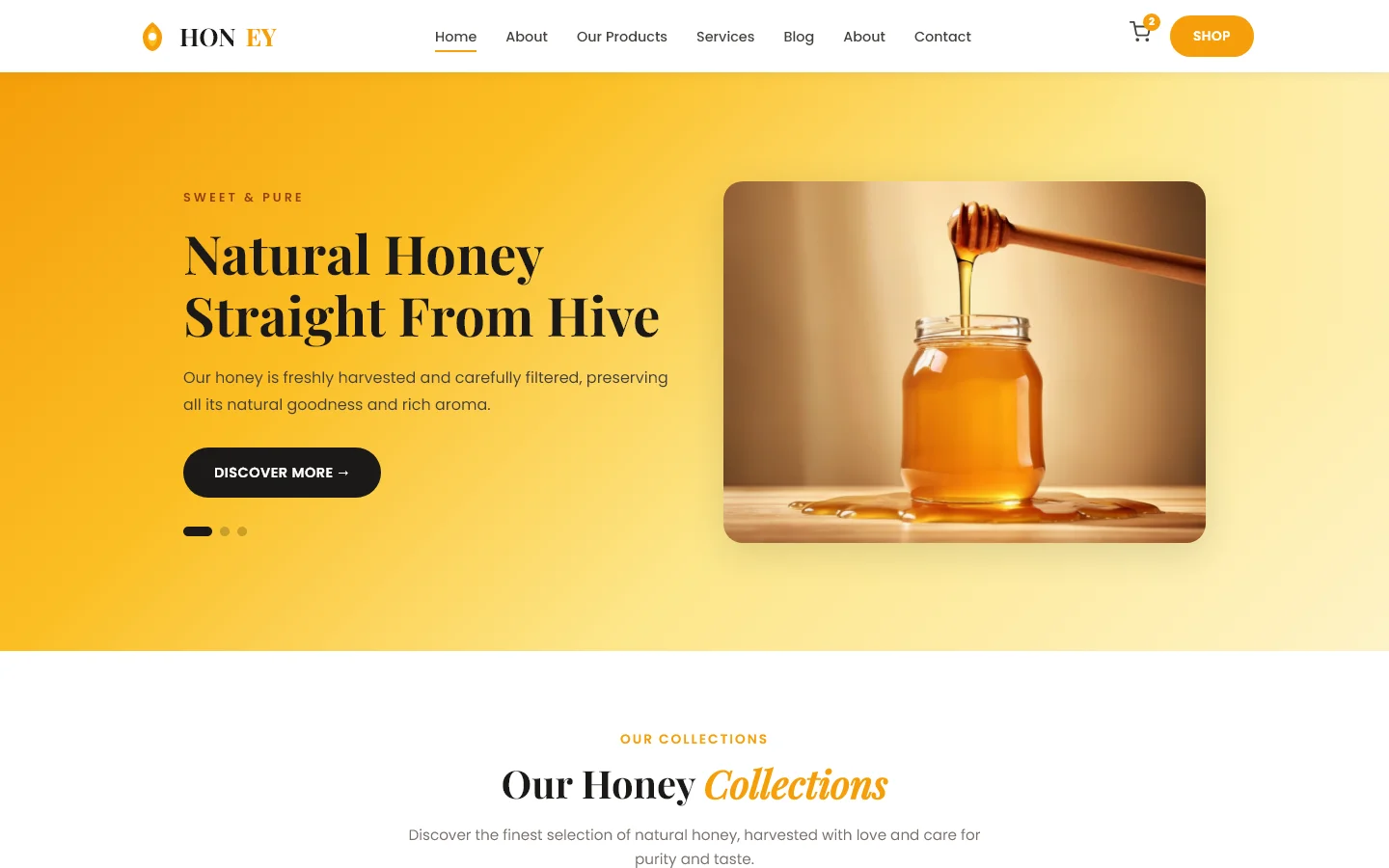
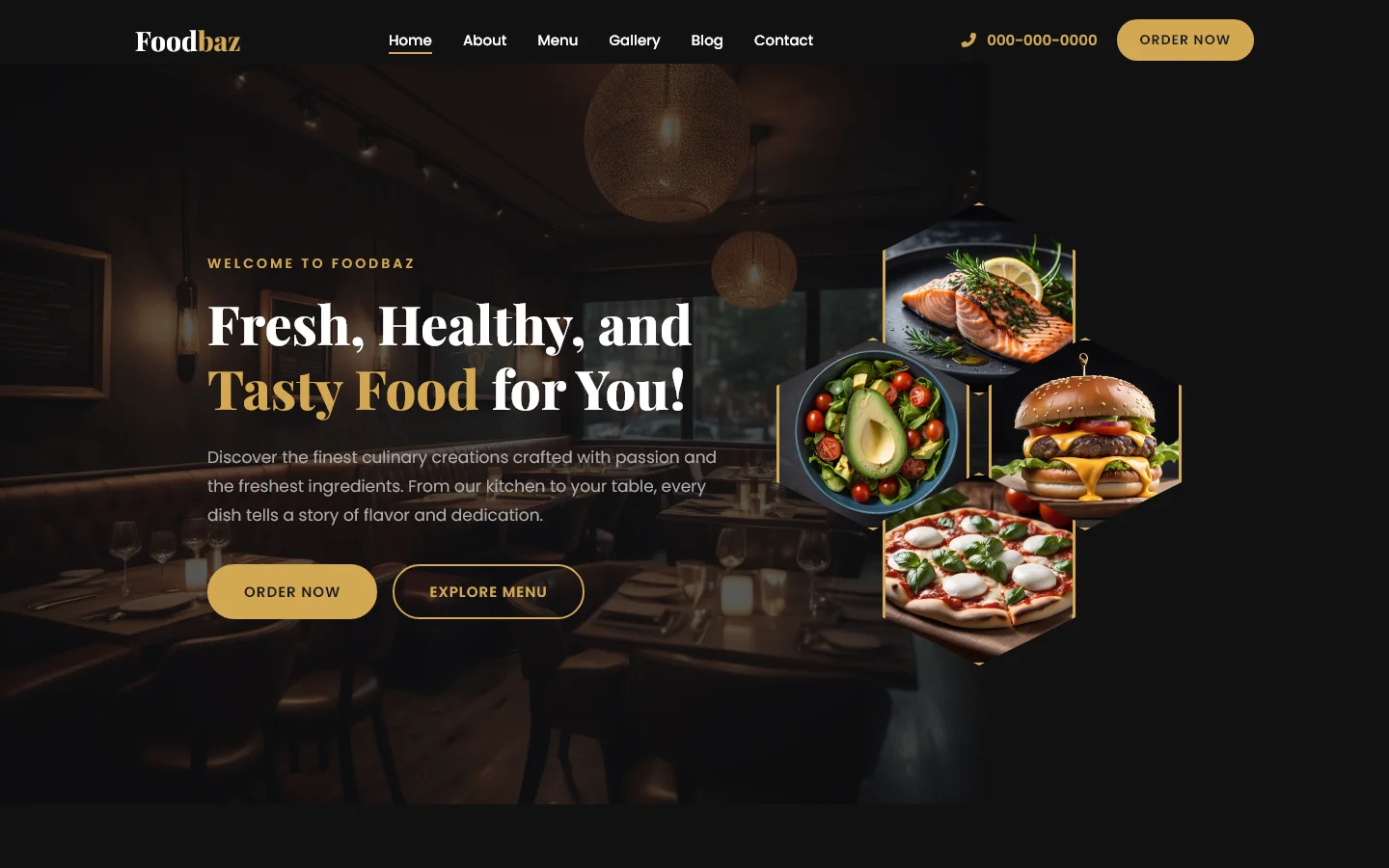
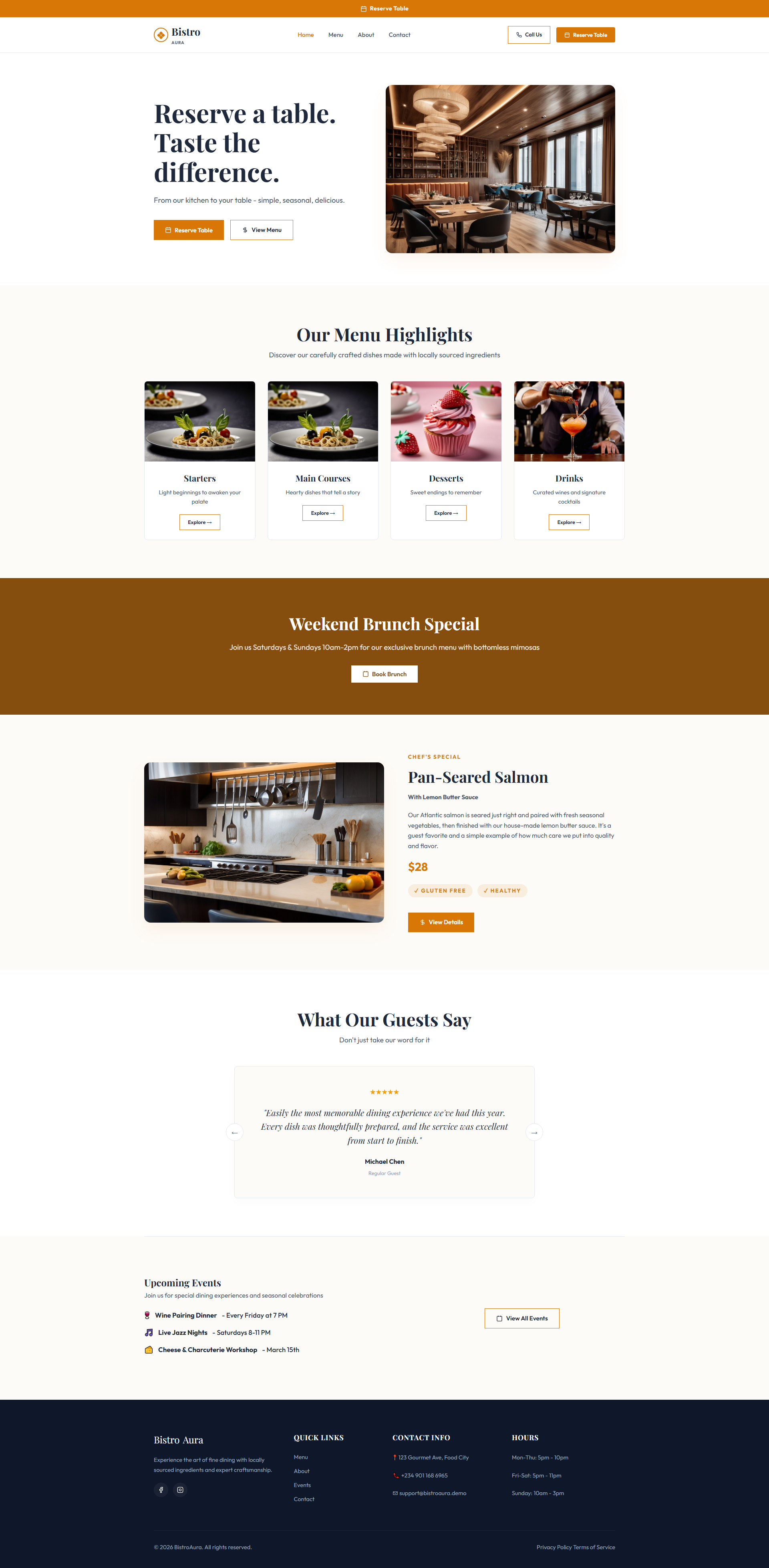
BistroAura is a free HTML5 restaurant template built with Tailwind CSS and vanilla JavaScript. It provides four static pages: index, about, menu, and contact. The design features hand-written CSS for precise control and avoids heavy animation libraries, keeping the package size at just 3.3 MB.
Each page is structured with clear section headings—including 'Reserve a Table', 'Our Menu Highlights', 'Weekend Brunch Special', 'What Our Guests Say', and 'Upcoming Events'—to guide visitors through a typical restaurant website. The template includes vanilla JavaScript for basic interactivity, such as form handling, without relying on external frameworks. A contact/newsletter HTML form is provided, and seven local images are included for easy customization. This template is ready to be deployed as-is or extended with static site generators.
Key Features
- Seasonal Menu Showcase
- Online Reservation System
- Elegant Image Gallery
- Local SEO Optimization
| Tech Stack | HTML5, Tailwind CSS, JavaScript |
| Release Date | 2026-07-05 |
| License | Free (Must keep footer backlink) |
Suitable For & Use Cases
Digital marketers managing hospitality brands, freelance web designers building sites for local bistros or pop-up chefs, and small restaurant owners launching online reservations. Ideal for businesses targeting urban foodies with strong visual storytelling needs. Not suited for fast-casual chains needing high-volume transaction processing or multilingual enterprise platforms. Upscale dining venues that need to launch their website quickly.
Page Sections Included
The template features a hero section with branding, a reservation form module, a seasonal menu highlights grid, a weekend brunch specials promotion block, a guest testimonials carousel, and an upcoming events listing. It also includes an about page, a contact form page, and a dedicated menu page. All sections are built with responsive hand-written CSS and integrate the seven local images throughout the layout.
Why We Recommend
BistroAura stands out for its clean separation of structure and styling: hand-written CSS gives precise control without CSS-framework bloat, while Tailwind CSS provides a responsive utility-first foundation. The absence of heavy animation libraries ensures fast load times and easy maintenance. With four focused pages covering essential restaurant content—menu, reservations, events, contact—developers can quickly adapt the template for various dining venues. The included HTML form and seven local images streamline setup, and the vanilla JavaScript layer keeps dependencies minimal.
Technical Specifications
Built with HTML5, Tailwind CSS v3+, and vanilla JavaScript. Requires a modern browser with CSS custom properties support. For development, install Tailwind via npm or CDN, compile CSS if extending. Images should be optimized to WebP format to maintain performance. No build step required for basic deployment; simply upload files to any static host.
Ideal Use Case
Ideal for independent restaurants, food trucks, or pop-up dining experiences that require a straightforward web presence. The template's four-page structure fits venues with a static menu, reservation inquiries, and event listings. Its lightweight nature suits hosting on static CDNs or basic shared servers. The included HTML form can capture newsletter sign-ups or table inquiries, while the local images allow easy branding updates without external dependencies.