You sell on Shopee, Lazada or Amazon. Orders come in, revenue grows — and yet something feels off. The platform owns your customers, your data and your brand. Raise your prices, and the algorithm buries you. Change your policy, and you lose your listing. This is why cross-border sellers are building independent stores in 2026.
An independent store — a website you own, on your own domain — is the single biggest competitive advantage an export seller can build. This guide shows you exactly how to launch one with free website templates, what pages you need, how to handle payments and logistics across borders, and how to win in Southeast Asian markets.
Why You Need an Independent Store (Not Just a Marketplace Shop)
Marketplaces give you traffic; independent stores give you ownership. Here is what changes the moment you own your storefront:
- You own the customer data: emails, purchase history, retargeting audiences — none of it belongs to you on a marketplace.
- You control the margin: no platform commissions eating 5% to 15% of every order.
- You build a brand: your logo, your story, your visual identity — not a listing inside a search result.
- You survive policy changes: when a marketplace raises fees or changes rules, your business is not at their mercy.
- You can retarget: with your own analytics, you can run ads, email flows and loyalty programs.
Most sellers treat the independent store as the "brand home" and the marketplace as the "sales channel" — a hybrid model that hedges risk and multiplies reach.
What You Need to Launch a Cross-Border Store
Here is the honest, low-cost stack for a global storefront:
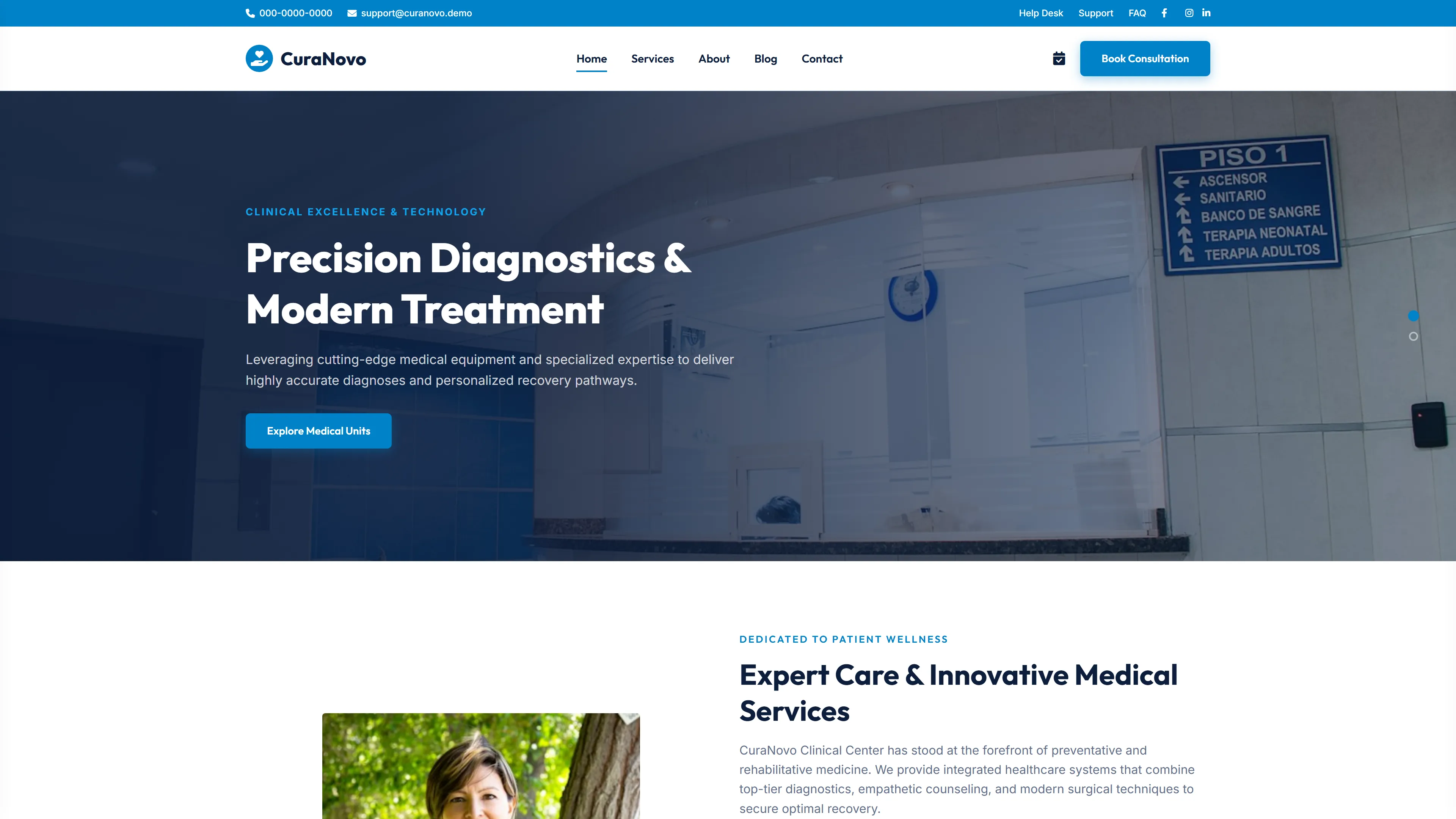
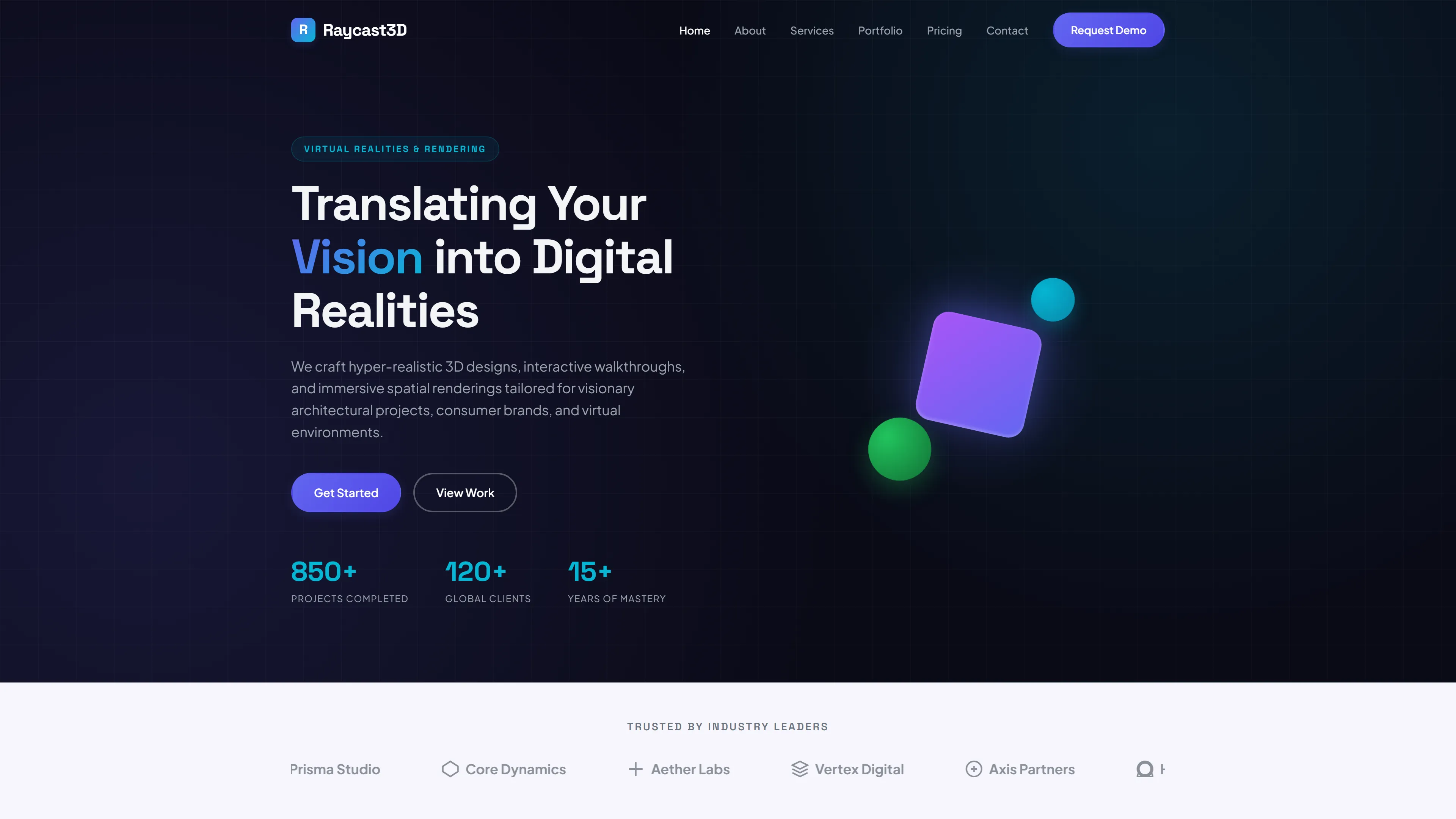
- A website template: start with a ready-made cross-border e-commerce website template — you do not need a designer or a developer.
- A domain: your brand name with a global-friendly extension, around $10/year.
- Hosting: Cloudflare Pages or Netlify host static sites for free, with global CDN speed.
- A payment gateway: Stripe, PayPal, or regional options like midtrans, Xendit, 2C2P and PayMongo.
- Logistics partners: ePacket, local couriers, or a 3PL for fulfillment.
Total startup cost: under $20. That is the entire argument for free templates — the only thing you need to invest is your content and your brand.
Step-by-Step: Launch Your Store in a Weekend
Step 1 — Pick a template that matches your niche
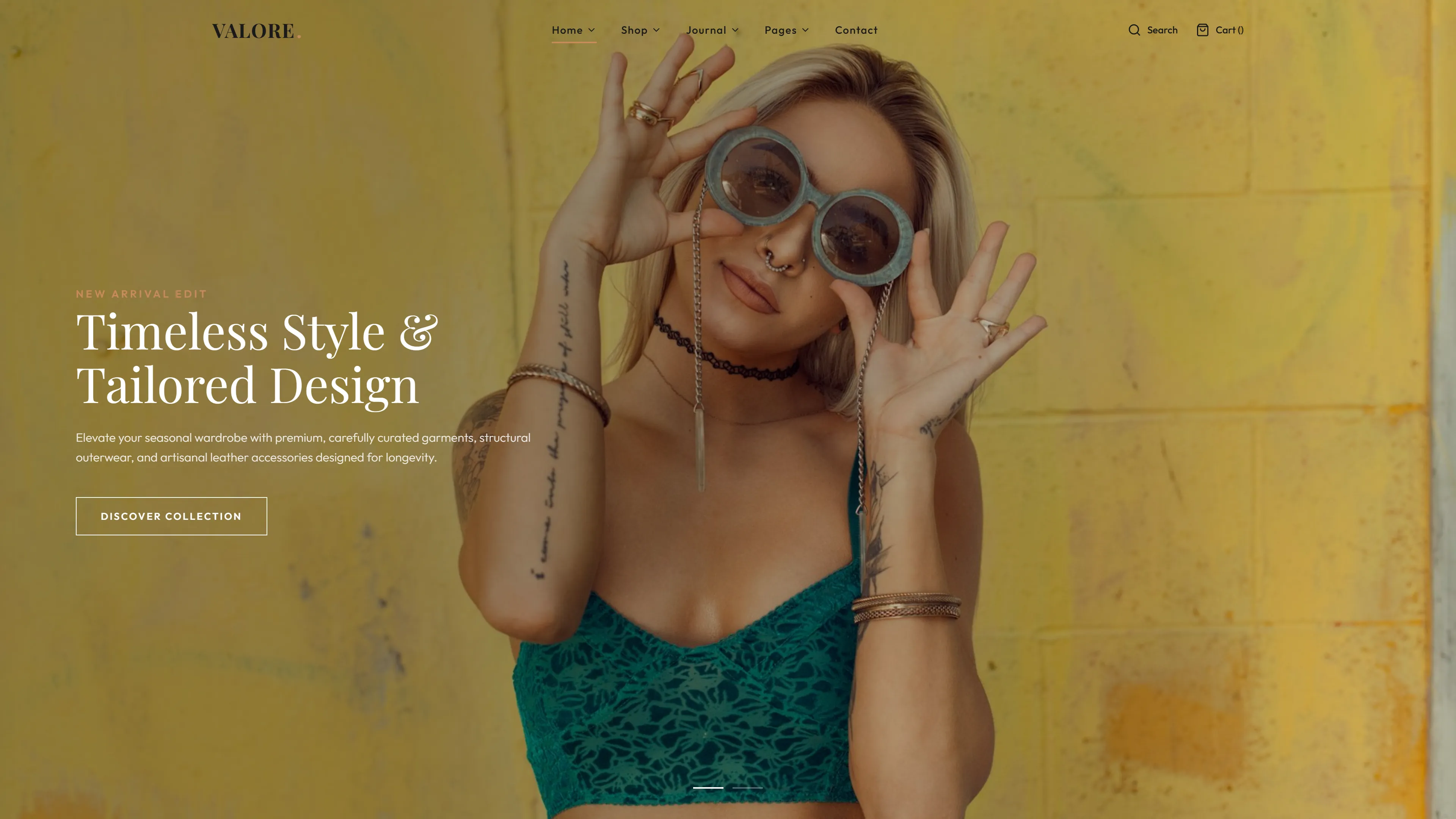
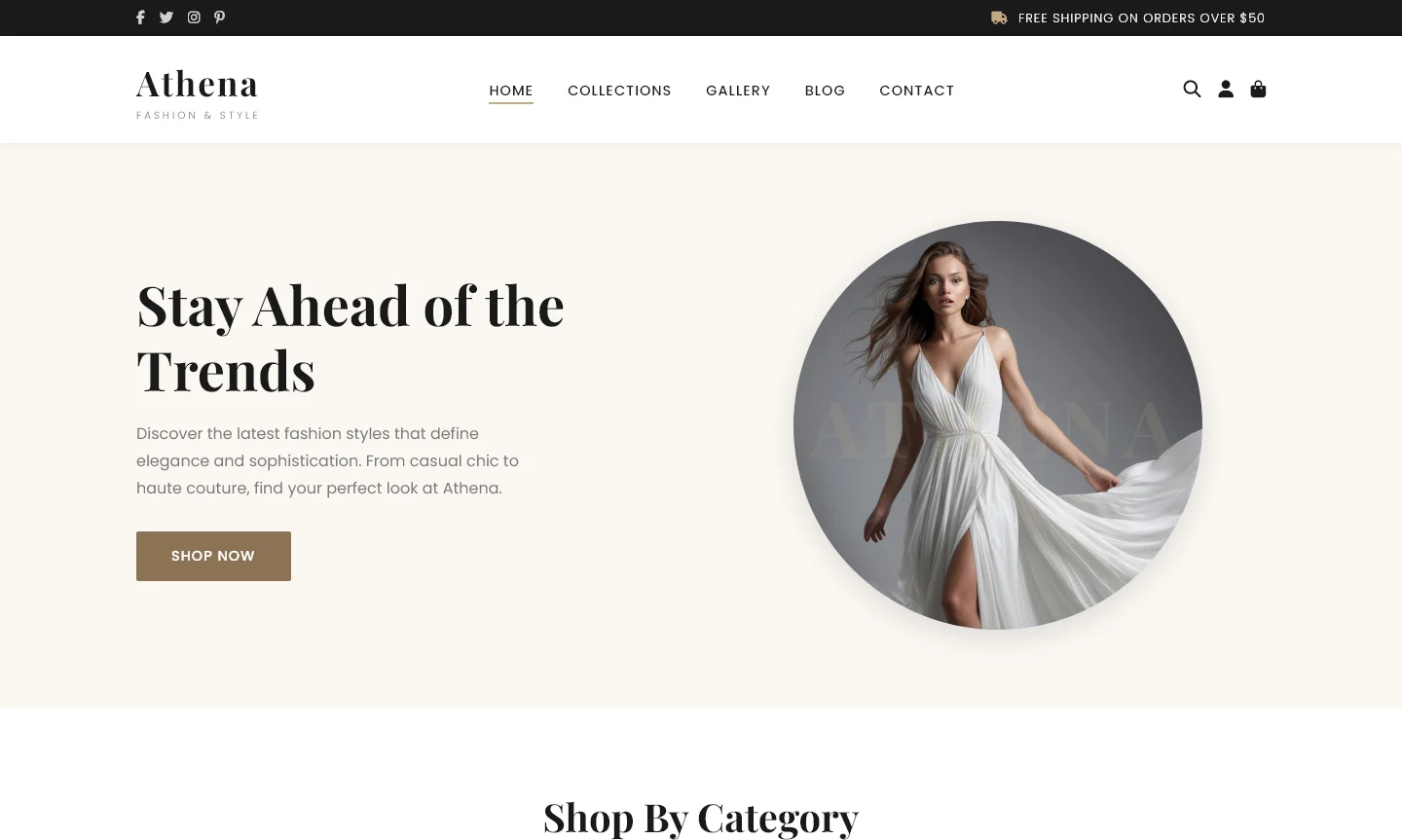
Choose a design that fits your product. A fashion store template suits apparel; a digital-product layout works for ebooks, software and NFT stores. Look for product grids, quick-view, and mobile-first layouts — most of your buyers will shop on a phone.
Step 2 — Write brand copy that sells across borders
Keep language simple and benefit-first. Explain shipping times, return policy and currency up front. Use a menswear dropshipping template if you sell apparel via dropshipping — the product-focused layout converts without extra work.
Step 3 — Set up payments your buyers actually use
Payment is the #1 reason cross-border carts are abandoned. For Southeast Asia, that means e-wallets (GCash, GrabPay, Touch 'n Go, ShopeePay), bank transfers and COD — not just credit cards.
Step 4 — Define shipping, returns and duties
Be explicit: delivery time, tracking, who pays import duties, and the return window. Vague logistics language kills trust faster than any design flaw.
Step 5 — Deploy and connect analytics
Deploy to Cloudflare Pages or Netlify in minutes, then connect Google Analytics and Search Console. Your store is live — now you market it.
The 5 Core Pages Every Cross-Border Store Needs
- Homepage: your value proposition, featured products and trust badges above the fold.
- Product page: clear photos, size charts, reviews and a single obvious "Add to Cart" button.
- About / Brand story: who you are, why you started, where you ship — this is your trust anchor.
- Shipping & Returns: full logistics policy in plain language, with a refund window.
- FAQ: pre-answer the 10 questions every international buyer asks.
Every page should convert or de-risk. If a page does neither, cut it.
Localization for Southeast Asia: Payments, Language, Trust
Southeast Asia is the fastest-growing e-commerce region in the world, and it is also the region where localization decides winners. The practical checklist:
- Payments: offer GCash (Philippines), GrabPay and Touch 'n Go (Malaysia), VietQR (Vietnam), PromptPay (Thailand) and GoPay/OVO (Indonesia) alongside cards.
- Language: translate your store into Indonesian, Vietnamese, Thai, Filipino and Malay. Machine translation is not enough — native tone wins trust.
- Trust: local reviews, local contact channels (WhatsApp, Zalo, LINE) and clear local return addresses.
- Mobile-first: most SEA buyers shop on smartphones; your store must be fast on 4G.
- COD culture: cash on delivery still dominates in several markets — offer it or explain clearly why you do not.
Localization is not a cost; it is the difference between being a foreign website and being their website.
SEO for Your Independent Store
Traffic from search is the cheapest traffic you will ever get. The essentials:
- Keyword intent: rank for "[product] buy online" and "[product] shop" terms, not just brand words.
- Category pages: create a page per product category with unique copy — e-commerce landing page templates make this fast.
- Speed: static HTML + Tailwind CSS loads in under a second on mobile — Google rewards it.
- Multilingual SEO: use hreflang tags so Indonesian buyers see the Indonesian version.
- Content: add buying guides and shipping FAQs that capture long-tail searches.
Frequently Asked Questions
How much does it cost to start a cross-border independent store?
With free templates, a $10 domain and free static hosting, you can launch for under $20. Your main costs are payment gateway fees and marketing.
Do I still need Shopee or Lazada if I have an independent store?
Most successful sellers run both: the marketplace for discovery, the independent store for margin, data and brand. Treat the store as your long-term asset.
Can I use a free HTML template for a real store?
Yes. Free HTML5 + Tailwind templates are production-ready. Connect a payment gateway or embed a shop widget, and you have a complete storefront without a monthly subscription.
How do I handle shipping across borders?
Start with ePacket or regional couriers for small parcels, and state delivery estimates honestly. As volume grows, move to a 3PL with local warehouses.
What is the biggest mistake new cross-border sellers make?
Ignoring localization. A store that looks foreign — wrong payment methods, machine-translated copy, vague shipping — converts a fraction of what a localized store converts.
Your independent store is one weekend away. Pick a free cross-border e-commerce template, put your brand on it, and start owning your growth — not renting it.